Supply Signal
Your AI Server Order Has More Than One Delivery Date.
By Supply Signal | September 6, 2026 | 6 min read
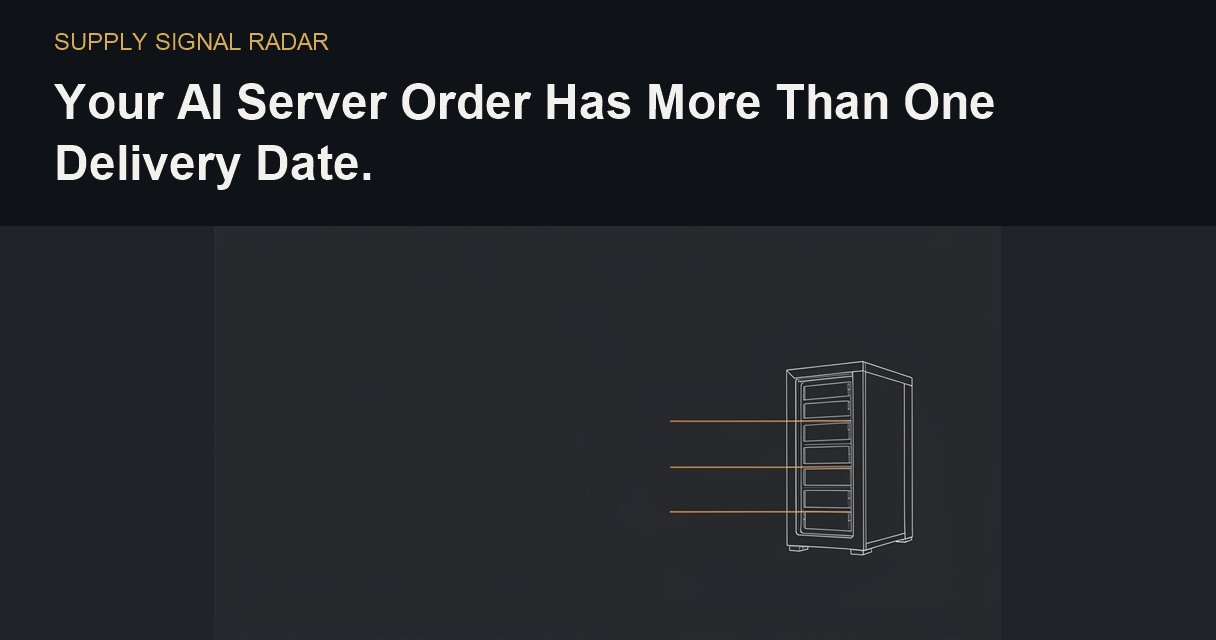
A processor delivery date cannot carry the whole rack.
The parts connecting AI processors deserve their own place on the procurement schedule. Broadcom’s custom accelerator and networking business is growing sharply. Credo’s connectivity revenue more than doubled from a year earlier. Further upstream, Sivers has attached a date to an optical manufacturing expansion: the fourth quarter of 2027.
Those developments put three different clocks inside the same purchasing plan. Silicon demand is being recognized now. Connectivity suppliers are preparing for another quarterly increase. New laser capacity has a longer construction and qualification schedule. A server order that collapses all three into one promised date hides the dependency that needs attention.
Your Connectivity Order Needs Its Own Commitment
If your build includes custom AI accelerators and networking silicon, review both delivery schedules together. Broadcom reported AI semiconductor revenue of $16.7 billion in its fiscal third quarter, up 221% year over year and 54% from the previous quarter. Management expects $21.7 billion in the fourth quarter. The company attributes the strength to custom accelerators and networking.
That is a substantial demand increase across the equipment inside an AI deployment. It gives buyers a reason to refresh delivery commitments for the associated parts. The figures do not establish that a particular package line is full or that an existing order has been displaced. Those conclusions require the supplier’s actual capacity and allocation information.
For a purchasing team, the useful distinction is between an accepted order and a complete delivery commitment. A supplier may acknowledge the processor quantity while another supplier still has the cable configuration, connector, or networking part under review. Keep those unresolved lines visible at the program review. The installation date depends on the set arriving together.
The Cable Has a Separate Demand Curve
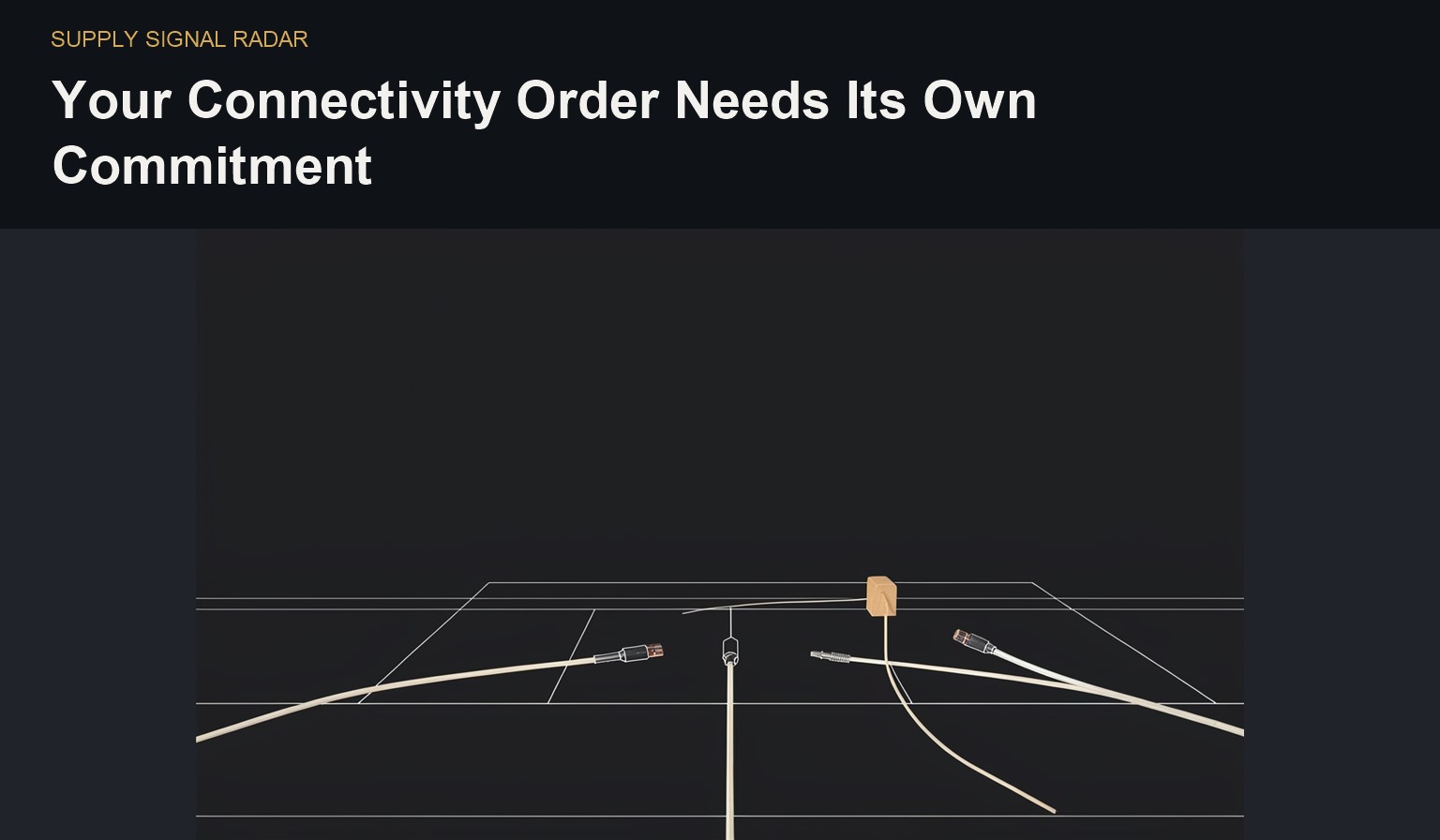
Get a delivery promise for the exact approved cable configuration, including its length, speed, and system qualification. Credo reported $479.0 million in quarterly revenue, up 114.7% year over year, and expects $525–$535 million in the following quarter. Its high-speed connectivity business gives a second view of AI infrastructure demand, beyond the processor itself.
For buyers of active electrical cables and related connectivity, the next question is specific: which configuration is covered by the delivery promise? A family-level quote can conceal a missing length, speed, or system qualification. A nominal alternate still needs to work in the intended equipment before it can protect a delivery date.
Request commitments against the exact approved part and configuration. Where an alternate exists, put its qualification status beside its quoted lead time. An available component that has not passed the required system checks cannot yet replace the component on the build plan.
Broadcom and Credo’s figures support closer planning across compute and connectivity. They do not justify raising every networking part to critical status. Keep the escalation tied to the parts with an incomplete commitment, an unqualified alternate, or a confirmed date beyond the build requirement.
More Laser Capacity Comes With a Later Date
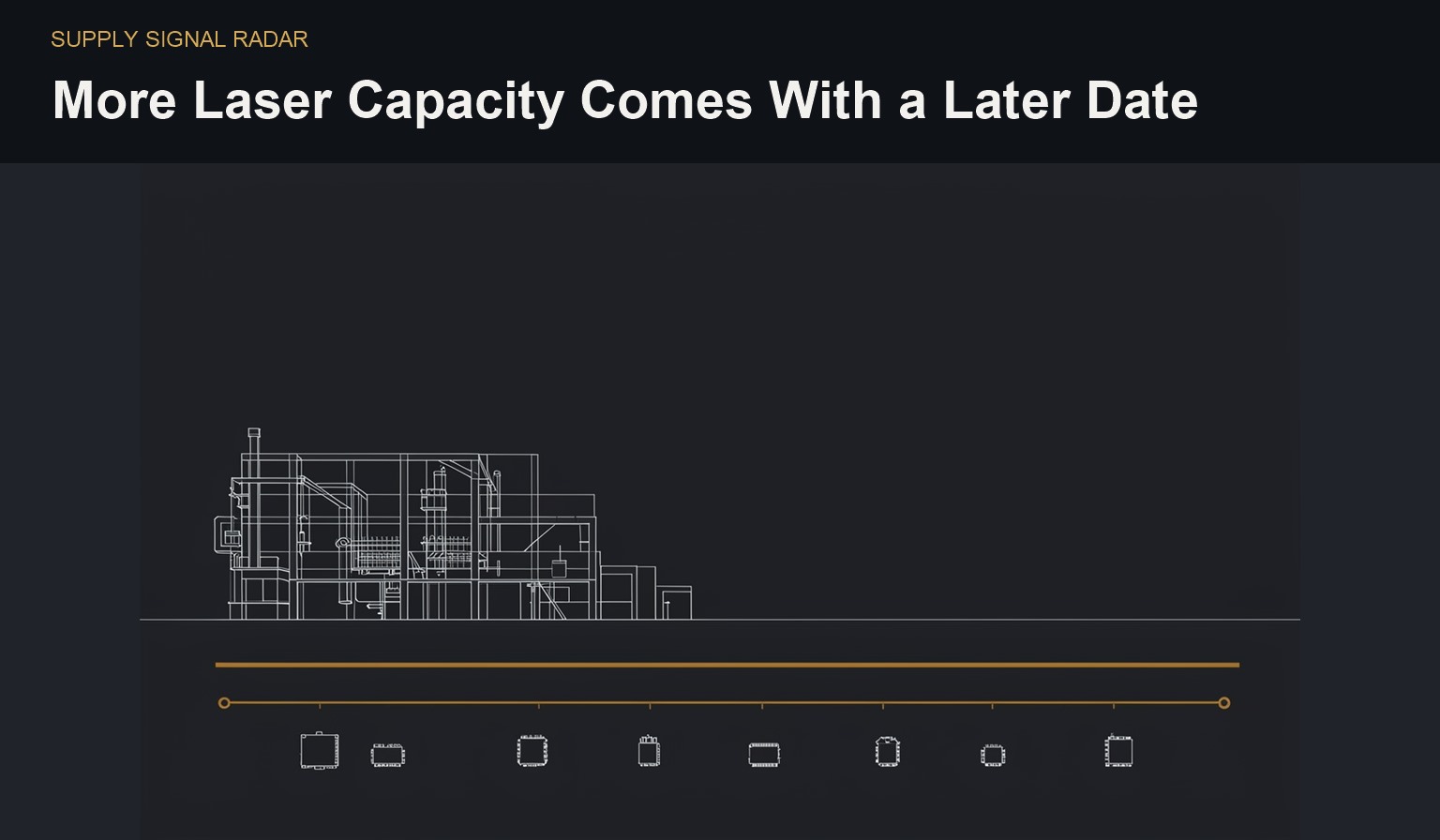
Keep current optical requirements covered by qualified supply while planned capacity is under construction. Sivers announced a $30 million expansion of its indium phosphide manufacturing facility in Glasgow. The company expects the expanded facility to support more than 100 million continuous-wave DFB lasers annually and become operational in the fourth quarter of 2027. The program is intended to support anticipated AI data-center and optical networking production ramps.
That date changes how a buyer should use the announcement. It belongs in a longer-term optical sourcing plan. For an earlier requirement, secure coverage from capacity that is already available and qualified for the relevant product. The planned annual output is a manufacturing target; customer qualification and delivery commitments still determine what reaches a specific program.
Sivers also describes a manufacturing approach that combines its own facilities with external partners. Geographic diversity can help, but the supplier names alone will not show whether two routes share a packaging or qualification dependency. Ask for the route that supports the offered part and delivery period.
The planned expansion gives buyers a future sourcing option with milestones to check. Its value turns on when qualified output can support an order.
Assembly Growth Does Not Set Every Component Date
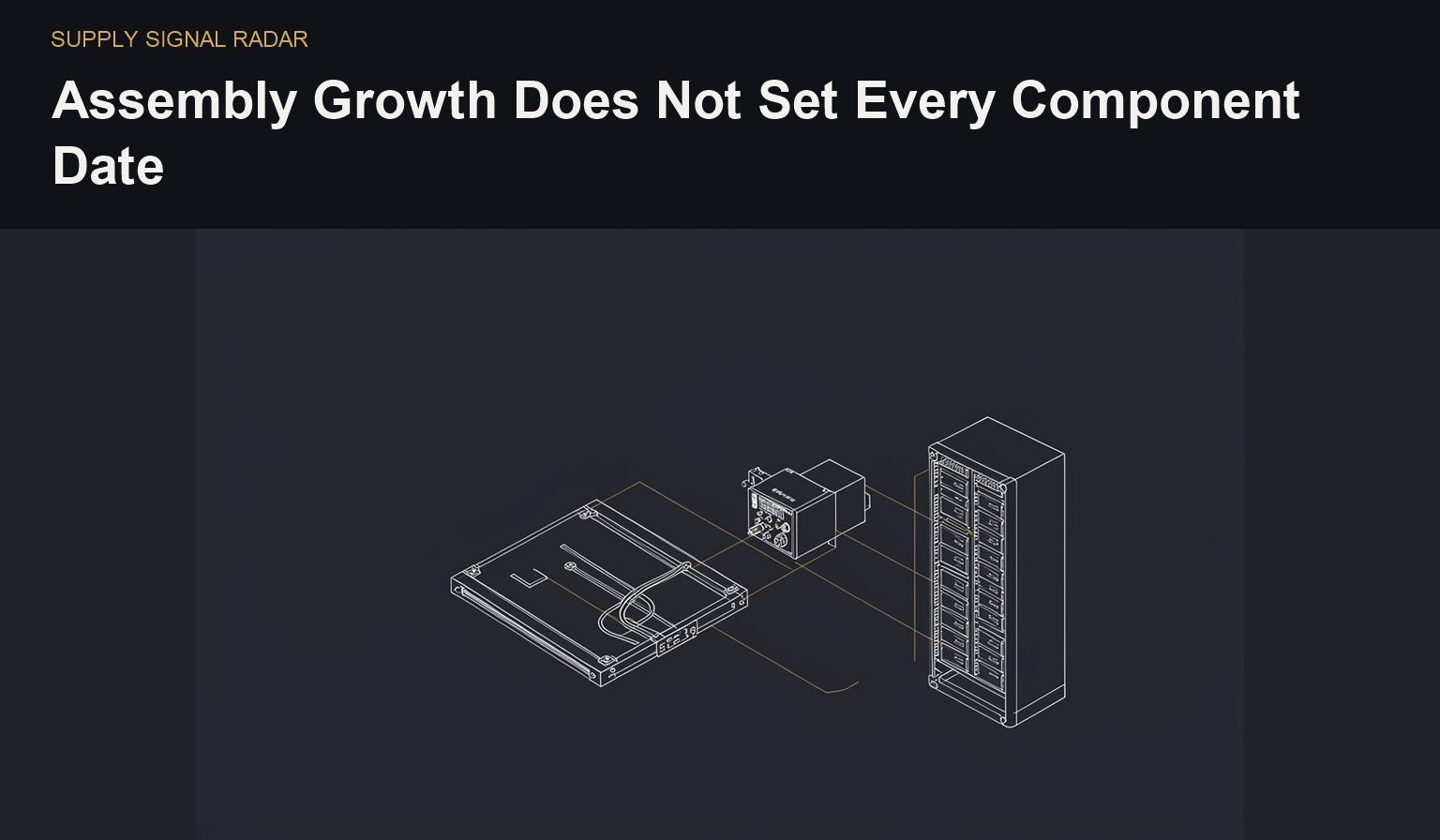
Check the component coverage behind a system builder’s shipment commitment. Super Micro’s annual report describes expansion around its Silicon Valley operations and a manufacturing footprint that includes Taiwan, Malaysia, and the Netherlands. It also describes shipments of systems supporting NVIDIA’s Blackwell platforms.
More assembly capability can improve the ability to complete systems. A component plan still has to support that capability. For buyers using a system builder, connect the promised shipment date to the list of customer-specific parts and configurations required to release the build.
One practical check is to separate parts already covered by inventory from parts covered by a supplier promise. For the latter, record the required arrival date, the committed arrival date, and who owns recovery if the two diverge. This makes a component exception visible before it becomes a system-level delay.
Legal Headlines Need the Correct Supply Route
Match any Nexperia-related concern to the contracting entity and manufacturing route on your order. In its public statement, Nexperia says the court-ordered preservation measures concern Chinese entities operating outside its governance structures since October 2025. It says those entities are outside its control and play no part in its current operations.
That is the company’s position. The announcement alone does not establish an interruption to a buyer’s shipments. Check the contracting entity and manufacturing route for affected purchases before applying the headline across all Nexperia parts. Escalate an actual route change, delivery exception, or qualification gap through the normal supplier process.
What to Watch For
- Compute and connectivity delivery commitments. Broadcom and Credo’s next results will test their growth expectations. Part-specific lead times and allocation notices will show whether that growth changes a buyer’s exposure.
- Sivers construction and qualification milestones. Progress toward the fourth-quarter 2027 target will determine when the planned optical capacity becomes useful to customers.
- System-builder component exceptions. A growing assembly footprint helps only when the required parts support the promised configuration and date.
- Nexperia shipment-route changes. A documented operational change would carry more procurement weight than the ownership headline alone.
- Gate-driver lead-time normalization. My standing question about normalization by the end of the third quarter remains open. This week’s demand figures do not resolve it.
What To Do This Week
- Split the system delivery plan into its dependent parts. Put compute, networking, cables, optics, and final assembly commitments on the same dated schedule.
- Refresh exact-part connectivity quotes. Include configuration, qualification status, quantity, and committed arrival date.
- Separate current optical coverage from future expansion. Cover near-term requirements with qualified supply; record the milestones needed before a future source can carry volume.
- Check the legal entity behind exposed orders. Match any Nexperia-related escalation to the actual contracting and manufacturing route.
The demand is visible across processors, connectivity, and the systems around them. The supply response has several schedules. Keep each one on the purchasing plan until the complete build can ship.
Sources: Broadcom quarterly results; Credo quarterly results; Sivers Glasgow expansion; Super Micro annual report; Nexperia statement.
Related Episodes
- Your AI Server Order Has More Than One Delivery Date.: Broadcom and Credo report strong growth, Sivers plans future optical capacity, and Super Micro expands assembly. Track compute, connectivity, optics, and final assembly on separate delivery commitments.